The Kladruber: A Horse Bred for Emperors, with Something to Offer Today’s Riders
DiscoverTheHorse introduces the Kladruber, a Czech breed with an imperial past and a living carriage-driving tradition. Explore its history, character, and the reasons to discover it in person.
Meeting a Piece of Czech Equine Heritage
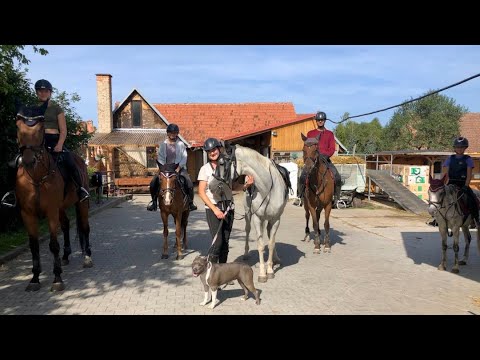
A horse bred for the imperial court, a breed that survived the threat of extinction, and a continuing part of royal carriage traditions: this is how the video from DiscoverTheHorse introduces the Kladruber. For Czech horse lovers, it is also an invitation to take a fresh look at a breed whose story is deeply rooted in their country.
The video accompanying this article brings the Kladruber to an international audience. Its imperial past makes a compelling introduction, but the breed’s significance extends further: to specialist breeding, cooperation between people and horses, and the preservation of a tradition that remains relevant today.
A Horse Shaped for Ceremonial Carriages
The Kladruber is among the world’s oldest established horse breeds. Its historical role was primarily to serve in the ceremonial carriage teams of the Habsburg court. It was therefore developed not chiefly for speed or sporting performance, but for an impressive appearance and work in harness.
Its distinctive features reflect that purpose: a pronounced convex profile, a substantial frame, a high-set neck, and stately movement. Yet this is about more than the beauty of an individual horse. A ceremonial team also depends on harmony, regular movement, and the ability to cooperate with other horses and with people.
Grey and Black: Two Branches of One Story
Grey and black horses are inseparable from the breed’s identity. The grey variety is traditionally associated above all with Kladruby nad Labem, while the black variety is associated with Slatiňany. Both belong to the same breeding heritage, although each creates a slightly different visual impression. The characteristic head profile and dignified presence stand out in both.
With the greys, it is worth remembering that their light coat is not usually the colour they are born with. They become progressively lighter with age. Visitors seeing young and mature horses together can therefore discover another part of their story without needing a specialist explanation of pedigrees.
A Future That Was Not Always Assured
The video’s description notes that the breed survived near-extinction. Today’s Kladruber population represents not only a long courtly tradition, but also deliberate efforts to preserve it. The story of the black horses, in particular, includes the restoration of breeding at a time when its continuation was uncertain.
It is easy to regard the Kladruber as an enduring symbol of Czech horse breeding. Its history nevertheless shows that preserving a traditional breed requires sustained work, knowledge of individual horses’ ancestry, and a clear breeding objective. Admiring its striking appearance is not enough; the qualities for which it was developed also need protecting.
A Landscape That Belongs to the Horses
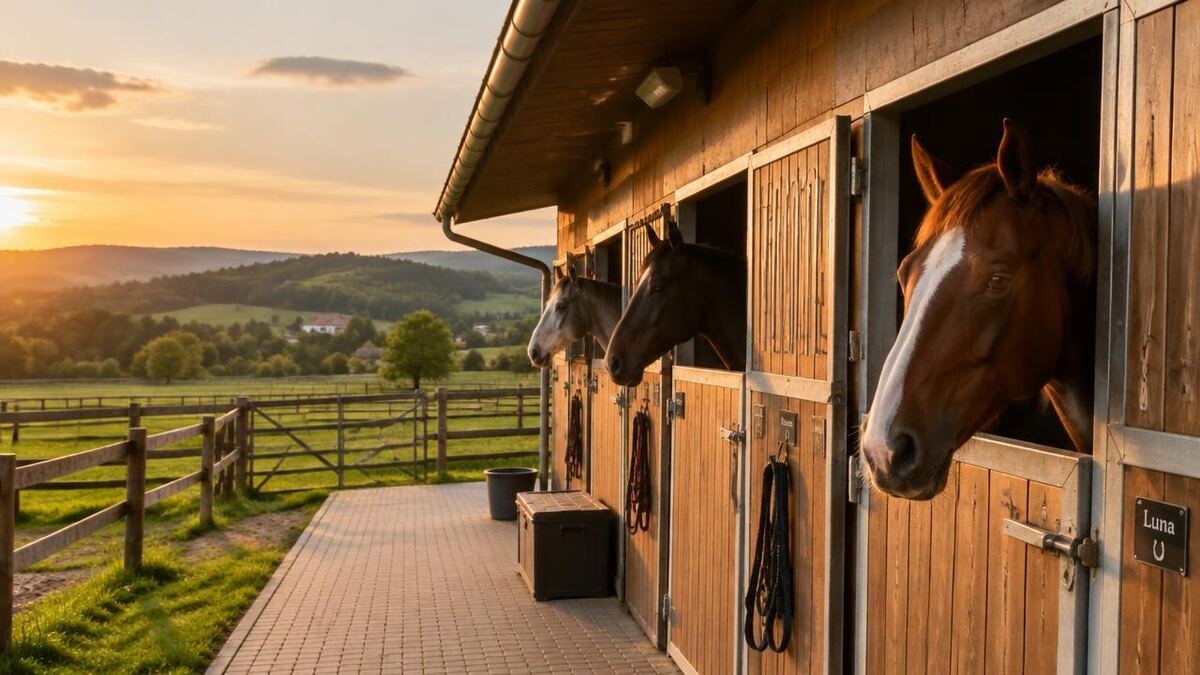
Kladruby nad Labem is more than a place with stables. Its landscape was shaped over time by the breeding and training of ceremonial carriage horses. Pastures, avenues, and routes form an environment where breeding history meets everyday work. This landscape is inscribed on the UNESCO World Heritage List.
When visiting, it is therefore worth looking beyond the horses to the stud’s surroundings. They help explain why breeding heritage includes not only animals and pedigrees, but also space, land management, and human expertise. The Kladruber belongs to this landscape as naturally as its long avenues do.
More Than a Carriage Horse
The video’s title also draws attention to riding. Although the Kladruber is historically a carriage breed, it can work under saddle too. Its traditional role does not make it inaccessible or uninteresting to riders. Suitability always depends on the individual horse, its training and health, and the rider’s experience.
The breed is often valued for an even temperament and willingness to cooperate. That does not guarantee that every individual automatically suits a beginner. If the video inspires you to try riding one, ask about the horse’s training, the lesson format, and professional supervision. A good encounter begins with realistic expectations, not admiration alone.
From the Video to Your Own Discovery
Enjoy the video as an introduction to a Czech breed through the eyes of an international horse channel. It might also inspire a trip to Kladruby nad Labem or Slatiňany, or an interest in carriage-driving disciplines. Always check current visiting arrangements and the specific programme before travelling.
The nationwide Czech directory koneastaje.com can also help you find other equestrian places. Contact individual stables beforehand to confirm which breeds they keep and whether they offer visits or riding lessons. The Kladruber is more than a reminder of an imperial past: it is a living reason to explore the Czech horse world more attentively.